Mindfulness Through Jigsaw Puzzles: A Path to Relaxation
Unlocking the Mind: The Art of Jigsaw Puzzles
In today’s fast-paced world, finding moments of calm and clarity can feel like a daunting challenge. One surprising source of relaxation has emerged in the form of jigsaw puzzles, an age-old activity that resonates with the principles of mindfulness. Engaging with these colorful pieces can transform your mental state by facilitating focus and promoting serenity. Solving a puzzle requires attention, but it simultaneously allows your thoughts to drift in a soothing manner, creating a unique meditative space.
Here’s how jigsaw puzzles contribute to mindfulness:
- Enhanced Concentration: The intricate nature of puzzles encourages deep focus, helping you stay present in the moment. When you sift through countless pieces to find the perfect fit, your mind becomes engaged in a singular task, effectively blocking out external distractions. This focused effort not only sharpens your cognitive abilities but also cultivates mental discipline.
- Stress Reduction: Working on puzzles can lower cortisol levels, providing therapeutic benefits to your mental health. Studies have shown that engaging in repetitive, enjoyable tasks like puzzles can induce a relaxation response. This is particularly beneficial in a culture often characterized by stressors, such as work deadlines and personal obligations. As you immerse yourself in the task, your body naturally begins to unwind.
- Sense of Accomplishment: Completing a puzzle offers a tangible reward, boosting your mood and motivation. The satisfaction of fitting the last piece into place can trigger the release of dopamine, a neurotransmitter associated with pleasure and reward. It fosters a sense of achievement that contributes positively to your overall mental state.
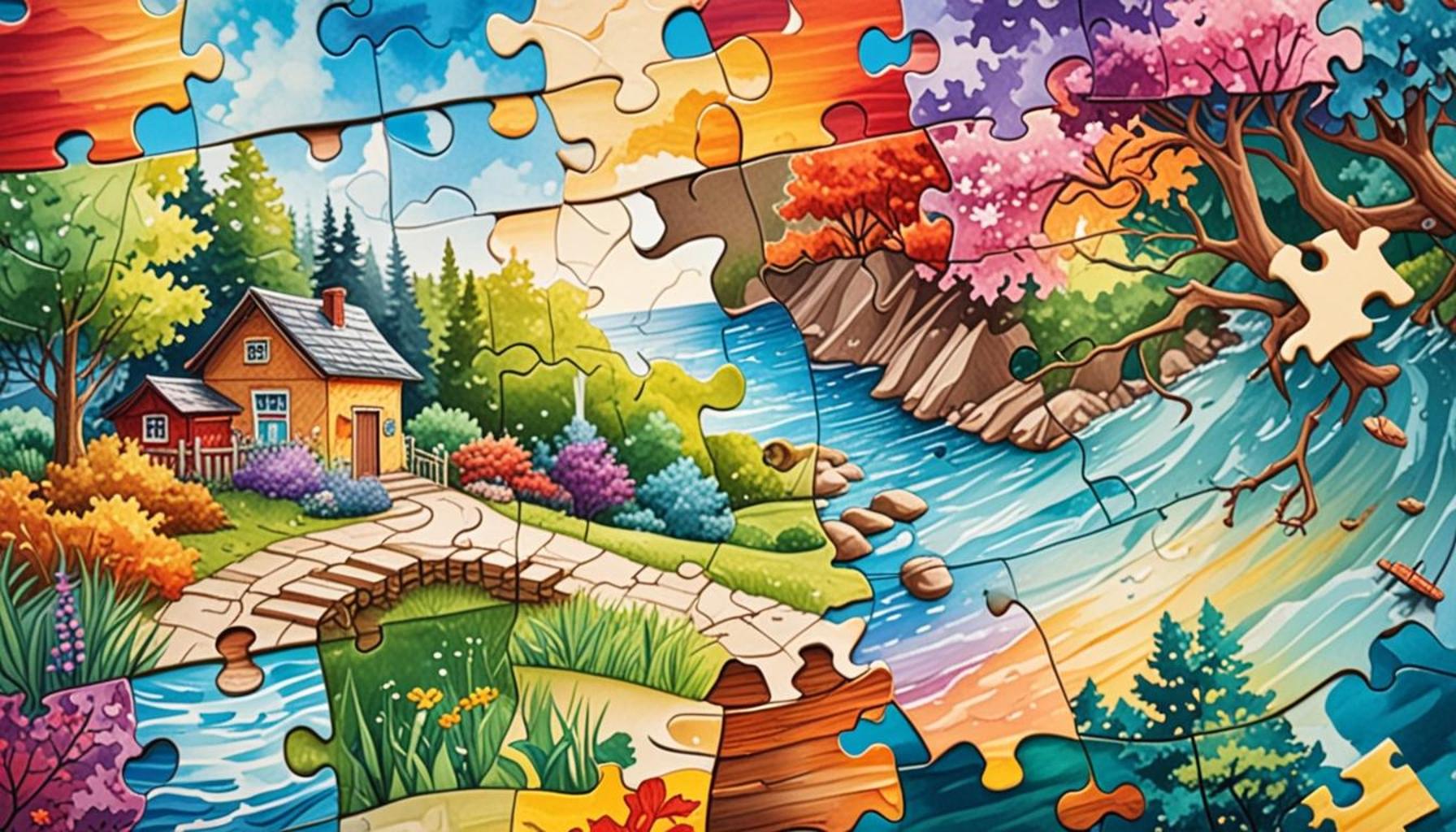
Moreover, incorporating puzzles into your daily routine can be a delightful way to disconnect from screens and distractions. In an age dominated by digital interactions, the tactile experience of manipulating pieces can feel refreshing and grounding. As you piece together vibrant scenes—from picturesque landscapes to intricate representations of city life—you’re not just solving a picture; you’re engaging in a practice that enhances your overall well-being. This unique combination of fun and mindfulness enables you to carve out your personal oasis of peace.
Interestingly, many people find that puzzles also encourage social interaction. Whether you work on them with family or friends, these activities often become a shared experience that enhances relationships, fortifying bonds through teamwork and conversation. You can explore local puzzle clubs or online communities to connect with others who share your interest, making the pastime even more enriching.
Stay with us as we explore the deeper connection between jigsaw puzzles and a mindful lifestyle, revealing tips and insights for using this engaging pastime to cultivate relaxation, mental clarity, and connections with others. Whether you’re setting aside time for a solo challenge or embarking on a group project, the journey of piecing together jigsaw puzzles is a testament to the balance of concentration and calm.
LEARN MORE: Click here to dive deeper
Jigsaw Puzzles: A Sanctuary for the Mind
As we delve deeper into the relationship between mindfulness and jigsaw puzzles, it’s essential to understand how this seemingly simple pastime converts a chaotic mind into one of tranquility and focus. Sitting down with a puzzle is not merely about assembling pieces; it represents a holistic approach to relaxation and mental clarity. Here, we uncover the profound benefits derived from working on jigsaw puzzles, illustrating how they can serve as a powerful avenue for cultivating mindful awareness.
To begin with, engaging in jigsaw puzzles is renowned for its ability to evoke a sense of focus and immersion. The way the brain engages with each piece demands a level of concentration that often escapes us in daily life. When you aim to find that elusive corner piece or match a particular color, distractions fade into the background. This intense concentration not only promotes a strong sense of presence but also has a cascading effect on mental well-being. Notably, the act of focusing on a single task can lead to enhanced cognitive function, improving your ability to process information across various domains.
The therapeutic nature of puzzles also extends to notable reductions in stress levels. A study conducted by the American Psychological Association revealed that activities involving focused, repetitive tasks can significantly lower stress and anxiety. Furthermore, puzzles create a comforting ritual that can seamlessly fit into anyone’s routine. Consider how taking 15 to 30 minutes for such an activity can facilitate a smooth transition from a hectic workday to a soothing evening. This seemingly small commitment yields substantial benefits, as it encourages your mind to slow down and recalibrate.
In today’s world, the prevalence of technology often hinders our ability to enjoy simpler activities. However, indulging in jigsaw puzzles allows you to foster a sense of presence and connective touch, reminding you of tangible moments away from screens. Spending time on this enriching hobby can amplify your connection to the physical world, providing a grounding experience that often feels missing in our digitized lives.
Moreover, it is interesting to note how the social aspect of puzzle-solving enhances not only the fun but also the sense of community. Working alongside family or friends can create a lively atmosphere, filled with laughter and encouragement. Such shared experiences promote meaningful conversations and quality time spent together, leading to stronger relational ties. Engaging with others through jigsaw puzzles can foster new friendships, particularly in clubs or online forums dedicated to this captivating pastime.
- Encourages collaboration: Working together enhances teamwork and strengthens bonds.
- Acts as an icebreaker: Jigsaw puzzles can segue into deeper conversations, facilitating connections.
- Offers collective satisfaction: Completing a puzzle as a group amplifies the sense of accomplishment felt by all participants.
The charm of jigsaw puzzles goes beyond recreation; they hold the potential to warp your perceptions of mindfulness and relaxation. As we continue to explore this relationship, we will detail techniques on how to harness the relaxing powers of puzzles in your everyday routine. Get ready to discover the nuances of using jigsaw puzzles as pathways toward clarity, joy, and enhanced well-being.
| Advantage | Description |
|---|---|
| Enhanced Focus | Engaging in jigsaw puzzles requires concentration, fostering a state of mindfulness. |
| Stress Relief | Completing puzzles can substantially reduce anxiety levels, promoting a sense of well-being. |
Jigsaw puzzles, often seen merely as a recreational activity, have profound implications for mental health. By working diligently to piece together fragments of an image, individuals tap into a meditative practice that grounds them in the present moment, enhancing their focus. Each time a piece clicks into place, it’s a small victory that contributes to an overall sense of achievement and satisfaction. This mindfulness practice acts as a natural antidote to the stressors of daily life.
Moreover, the meditative nature of working with puzzles triggers neurochemical changes that aid in the reduction of stress hormones. Engaging fully in this activity invites you to momentarily disconnect from external pressures, allowing your mind to find peace in the methodical placement of each piece. Thus, jigsaw puzzles present a unique avenue for exploration in the realm of mindfulness and relaxation.
DIVE DEEPER: Click here to learn more
The Meditative Nature of Puzzle Solving
To further unearth the mindfulness benefits associated with jigsaw puzzles, it’s essential to recognize their meditative qualities. Similar to practices like meditation and yoga, jigsaw puzzles encourage a state of flow—an experience where time seems to stand still, allowing you to become immersed in the moment. This flow state, characterized by complete absorption, not only eases your mind but also cultivates emotional stability and mental clarity.
Research conducted by the University of California has shown that engaging in activities that promote flow can help reduce symptoms of anxiety and depression. When your mind is occupied with the challenge of fitting pieces together, the racing thoughts and worries that often plague us may dissipate, creating a pocket of peace. One might even argue that this simple act of piecing together fragments serves as a metaphor for life, encouraging resilience and patience as each piece contributes to the whole picture.
Another important aspect of mindfulness through jigsaw puzzles is their ability to stimulate the senses. The tactile experience of handling the pieces—the smoothness of the cardboard, the variance in shape and color—contributes to a deeper sensory connection to the activity. This engagement fosters mindfulness as individuals become more attuned to their environment. As you handle each piece, you learn to appreciate the journey rather than solely focusing on the completion of the puzzle, enriching your overall experience.
- Visual feeding: The vibrant colors and intricate designs elevate your emotional state, turning puzzle assembly into a sensory delight.
- Textural awareness: Noticing how pieces feel in your hands can heighten awareness and create a genuine connection to the task at hand.
Moreover, the act of goal-setting embedded in jigsaw puzzle activities can further enhance mindfulness. Setting tangible, manageable goals—be it completing a section or finishing the entire puzzle—encourages a structured approach to task resolution. This iterative process allows for a sense of achievement in stages rather than bombarding oneself with overwhelming expectations. By taking small steps and celebrating each success, individuals promote a healthier mental state focused on gradual progress.
Additionally, consideration of different environments can play a significant role in this mindfulness journey. Finding the right atmosphere—be it a cozy corner in your home, an outdoor setting, or a vibrant café—can significantly enhance the puzzle-solving experience. An enjoyable environment, along with minimizing distractions, maximizes your ability to remain present. As you settle into your chosen space, your surroundings should feel conducive to relaxation, allowing you to engage fully with the puzzle.
Finally, let’s not overlook the deeply personalized nature of jigsaw puzzles. From selecting designs that resonate with personal tastes—be it landscapes, art, or cherished memories—you have control over the experience you’re about to cultivate. Create an environment that reflects your personality, making the process not just about mindfulness, but also self-expression. This personalization can evoke joy and foster an appreciation for your creations, leading to a stronger emotional connection with the activity.
In essence, jigsaw puzzles not only present a playful outlet but open the door to profound mindfulness practices. As we examine the unfolding relationship between puzzles and mental wellness, the journey of piece assembly reveals itself as an enriching path toward relaxation and self-discovery.
DIVE DEEPER: Click here to uncover the psychology behind logic games
Embracing Mindfulness Through Jigsaw Puzzles
In conclusion, the art of assembling jigsaw puzzles stands as a powerful tool for fostering mindfulness and relaxation. As we explored, the meditative qualities inherent in puzzle-solving provide a delightful escape from the chaos of daily life, allowing individuals to experience the liberating effects of being fully present in the moment. The tactile engagement and rich sensory stimulation offered by puzzles serve not only to create a calming atmosphere but also to enhance emotional well-being.
By embracing the structured goal-setting that jigsaw puzzles encourage, individuals can cultivate resilience and patience. This structured practice not only sharpens cognitive skills but also teaches the importance of celebrating small victories, highlighting progress along the way. Whether enjoyed in the comfort of a home or in an inviting café, the right environment enhances the overall experience, making puzzle-solving a uniquely personal journey towards relaxation.
Furthermore, the customizable nature of puzzles allows for self-expression, turning what could merely be a leisure activity into an enriching pathway for self-discovery. This personalized aspect transforms the process into a reflection of individual tastes and memories, forging deeper connections to each puzzle.
As we continue navigating busy lifestyles filled with stress, integrating jigsaw puzzles into our routines might just be the mindful practice we need. In engaging with these intricate designs, we not only entertain the mind but also take significant strides in nurturing mental health. The next time you seek a peaceful moment amidst life’s chaos, consider reaching for a jigsaw puzzle—the rewards could be profoundly rejuvenating.