Collaborative Puzzles: The Impact of Teamwork on Problem Solving

The Dynamics of Teamwork in Problem-Solving
In an era where challenges are multi-faceted and constantly evolving, there is an undeniable need for teams to work together effectively. The concept of collaborative puzzles reflects not only the complexity of contemporary issues but also the necessity of harnessing diverse perspectives to navigate through them. When individuals combine their strengths, the result is often a solution that is more robust than what could be achieved alone.
Consider the aspect of enhanced creativity. This phenomenon arises when team members with differing insights engage in brainstorming sessions. For example, in the tech industry, companies like Google have thrived on the notion that bringing together engineers, designers, and marketing experts fosters an environment ripe for innovative solutions. By recognizing and leveraging the unique viewpoints each member offers, organizations can propel creative ideas into reality.
Another critical element to consider is shared responsibility. When tasks are divided among team members, the pressure that rests on any one individual is significantly alleviated. This shared burden is particularly evident in high-stakes projects, such as product launches, where the impact of teamwork can be directly measured through productivity and morale. Research conducted by the Harvard Business Review indicates that teams that implement collaborative strategies report higher levels of job satisfaction and a significant reduction in burnout, an essential factor in retaining talent.
The diverse skillsets that team members contribute are invaluable in problem-solving initiatives. For instance, in healthcare, interdisciplinary teams comprising doctors, nurses, social workers, and administrators have shown greater efficacy in patient outcomes compared to those working in isolation. The unique insights from each discipline enable these teams to address complex patient needs comprehensively, ensuring a holistic approach to care that improves overall satisfaction and health results.
Statistics support the notion that groups engaging in collaborative puzzles demonstrate increased creativity and productivity. A study by the Institute for Corporate Productivity found that organizations promoting teamwork achieved a 20% increase in performance metrics compared to those relying on traditional hierarchies. This shift towards collaboration is not just a trend; it is becoming a fundamental strategy in the corporate world, applicable across industries.
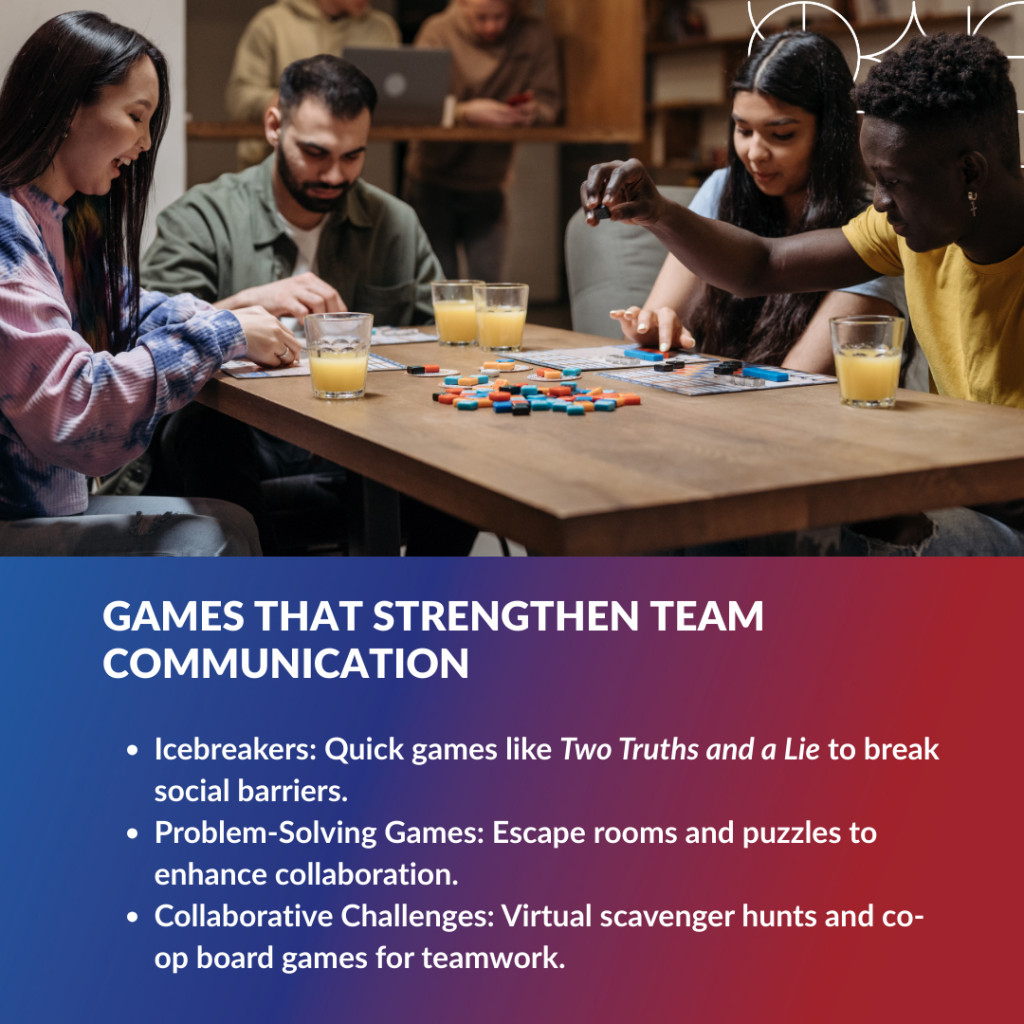
In examining effective teamwork in problem-solving, it is crucial to appreciate the dynamics that foster successful collaboration. From technology to healthcare, real-world examples illustrate how collective efforts can surmount challenges that once seemed insurmountable. Emphasizing the importance of strategic teamwork will undoubtedly illuminate pathways for future endeavors, encouraging a culture that values collaboration as a means to achieve greater success.
DISCOVER MORE: Click here to learn about the benefits of memory games
Unlocking Potential Through Collaboration
The world of teamwork is akin to piecing together a complex jigsaw puzzle, where every individual’s strength contributes to the overall picture. Engaging multiple minds in a collaborative puzzle approach not only garners innovative outcomes but significantly enhances the problem-solving capabilities of teams. The magic lies in the unique blend of different experiences, backgrounds, and viewpoints that members bring to the table.
Effective communication is at the heart of successful collaboration. When team members openly express their ideas and concerns, it cultivates a safe and inclusive environment. A study by the Project Management Institute revealed that teams with strong communication practices are 25% more productive. This statistic underscores the importance of channels that foster dialogue and feedback. Implementing regular check-ins and team meetings can ensure that every voice is heard, leading to a stronger collaborative effort.
Moreover, conflict resolution is a natural component of teamwork, particularly when individuals bring diverse perspectives. While conflicts can be challenging, they often lead to deeper insights into problems and solutions. By embracing constructive conflict, teams can explore alternatives that might not have been considered otherwise. Facilitating discussions that allow for dissenting opinions can lead to innovative breakthroughs, as seen in many successful startups across the United States, where spirited debates often yield impressive results.
To further understand the dynamics of effective teamwork, it is helpful to identify key components that contribute to successful collaboration in problem-solving:
- Trust: Building mutual trust among team members lays the groundwork for open sharing of ideas and promotes vulnerability, critical in challenging times.
- Clear Roles: Clearly defined roles assist in ensuring accountability, allowing team members to leverage their strengths without stepping on each other’s toes.
- Common Goals: Focusing on shared objectives aligns efforts and inspires collaboration, making each member feel like an integral part of the team.
- Flexibility: Embracing adaptability facilitates a proactive response to shifting circumstances, thus improving the team’s ability to approach problems from various angles.
This structured approach has proven effective across industries. For instance, in the realm of education, collaborative learning methods have gained traction as research indicates that students working in teams can better engage with the material and problem-solving tasks, leading to improved academic outcomes. By drawing from the collective knowledge and skills of the group, students not only enhance their comprehension but also cultivate essential social skills that will benefit them in the workforce.
In summary, the interwoven threads of effective communication, conflict resolution, trust, and shared goals create a tapestry of collaborative problem-solving that thrives in various fields. As organizations continue to embrace teamwork-driven strategies, the potential for deeper insights and groundbreaking solutions will only increase, paving the way for innovation in how we address the challenges that lie ahead.
In the realm of problem solving, the concept of teamwork takes center stage, offering a multifaceted approach to tackling complex challenges. At the core of this methodology lies the power of collaboration, which not only enhances creativity but also leads to innovative solutions that might not emerge in solitary endeavors. Drawing on diverse perspectives and skills, teams can dissect problems from various angles, ultimately leading to a deeper understanding and more effective solutions.
Research indicates that individuals working in teams are often more effective compared to when they are working alone. This phenomenon can be attributed to a shared knowledge base and the collective cognitive abilities of the group. When team members engage in dialogue, they can brainstorm ideas, challenge one another’s assumptions, and address blind spots that may have gone unnoticed in a single-minded pursuit.
Moreover, collaborative puzzles serve as a metaphor for larger organizational challenges. By engaging teams in puzzle-solving activities, organizations not only cultivate a spirit of unity and trust but also develop critical problem-solving skills that translate to real-world scenarios. The impact of teamwork is transformative, fostering resilience and adaptability—qualities essential in today’s fast-paced, ever-changing environments.
As teams navigate these collaborative puzzles, they experience the tangible benefits of shared responsibility and accountability, which further enhances their overall productivity and morale. The sense of achievement derived from solving a puzzle together, especially under pressure, can also build strong interpersonal bonds, ultimately leading to a high-performance culture.
| Category | Focus |
|---|---|
| Enhanced Creativity | Diverse perspectives lead to innovative solutions |
| Shared Knowledge | Collective cognitive abilities provide a deeper understanding |
Ultimately, leveraging the strengths of teamwork by incorporating collaborative puzzles into problem-solving processes highlights the profound impact of synergy, guiding teams toward greater success and efficiency.
DISCOVER MORE: Click here to delve deeper
Harnessing Diverse Perspectives for Innovative Solutions
In the arena of problem-solving, the fusion of diverse perspectives plays a pivotal role in overcoming challenges. When individuals with varying backgrounds collaborate, they contribute unique insights that can illuminate potential solutions otherwise overlooked. This principle is exemplified by companies like Google, which actively promotes diversity and inclusion within its teams. Research indicates that diverse teams are 35% more likely to outperform their homogeneous counterparts. This data illustrates that when people from different cultures, genders, and expertise unite, their combined cognitive diversity fosters more creative outcomes.
A remarkable example of this can be seen in the healthcare sector. Interdisciplinary teams comprising doctors, nurses, pharmacists, and social workers work synergistically to tackle complex patient cases. By pooling their specialized knowledge and experience, they can design comprehensive care plans that address the multifaceted needs of patients. Studies have shown that hospital settings utilizing collaborative practices report a significant reduction in patient readmission rates, as each team member’s input contributes to holistic and effective treatment strategies.
Collaborative technology also enhances teamwork in both remote and in-person settings. Tools like Slack, Asana, and Microsoft Teams have transformed the way teams communicate and share ideas. A survey conducted by Gartner found that organizations leveraging collaboration tools experience a 20% increase in collaboration effectiveness. Such technologies allow for real-time brainstorming, project tracking, and seamless information sharing. This increased efficiency can speed up response times and ultimately lead to more effective problem resolution across various industries.
A deeper investigation into the impact of team dynamics reveals how different operational structures can influence outcomes as well. For instance, organizations that adopt an agile methodology actively encourage self-organizing teams. This approach empowers team members to take initiative, fostering a sense of ownership and accountability for their collective work. Research from the Agile Alliance indicates that projects run by self-organizing teams have a 70% higher success rate compared to those led by traditional, hierarchical structures. This illustrates how collaborative frameworks can lead to not only more efficient problem-solving but also a more engaged workforce.
- Empathy: Understanding team members’ perspectives fosters empathy, which enhances collaboration and contributes to a more positive team dynamic.
- Shared Learning: Facilitating knowledge sharing among team members creates opportunities for collective growth and development of skills.
- Celebrating Wins: Acknowledging collaborative successes not only boosts morale but also strengthens team cohesion, encouraging future teamwork.
- Cultural Sensitivity: Embracing cultural differences within teams leads to a richer collaborative experience, where multiple worldviews can inform decision-making.
The influence of collaboration extends beyond immediate solutions; it shapes the long-term organizational culture as well. Companies that prioritize teamwork create environments conducive to creativity and innovation. For example, organizations like Pixar have built a reputation for their collaborative culture, which is rooted in open dialogue and mutual respect. By encouraging individuals to share ideas freely, Pixar derives a steady stream of innovative content that captivates audiences worldwide.
In examining the nature of collaborative puzzles, it becomes clear that the synergy resulting from teamwork can lead to exceptional problem-solving capabilities. As organizations continue to embrace diverse perspectives, build effective team dynamics, and leverage technology, they position themselves to navigate complexities and unlock groundbreaking solutions with remarkable ease.
Dive Deeper: Click here to discover how board games can enhance your relaxation
Conclusion: The Power of Collaboration in Problem Solving
In the complex landscape of problem-solving, the role of teamwork cannot be overstated. The exploration of collaborative puzzles reveals that when individuals unite their unique talents and perspectives, they create a mosaic of ideas that fosters innovation and drives effective solutions. From the tech giants leading the charge in inclusivity to the healthcare teams championing integrated approaches for patient care, the advantages of collaborative environments are evident.
Moreover, the rise of collaborative technology has revolutionized how teams operate. With tools that enhance communication and streamline workflows, teams can address challenges with unprecedented agility and efficiency. The shift toward agile methodologies further emphasizes the importance of empowerment in teamwork, demonstrating that self-organizing teams are not only more successful but also cultivate a workforce that is actively engaged in their work.
As organizations strive for excellence in today’s competitive landscape, embracing the principles of teamwork, empathy, and cultural sensitivity becomes paramount. By laying the foundation for shared learning and celebrating collaborative triumphs, companies can foster a culture rich in creativity and continuous improvement. Ultimately, the journey through collaborative problem-solving has shown us that the whole truly can be greater than the sum of its parts. In pursuing collaboration, organizations equip themselves not only to tackle today’s challenges but also to navigate the complexities of tomorrow with resilience and ingenuity.