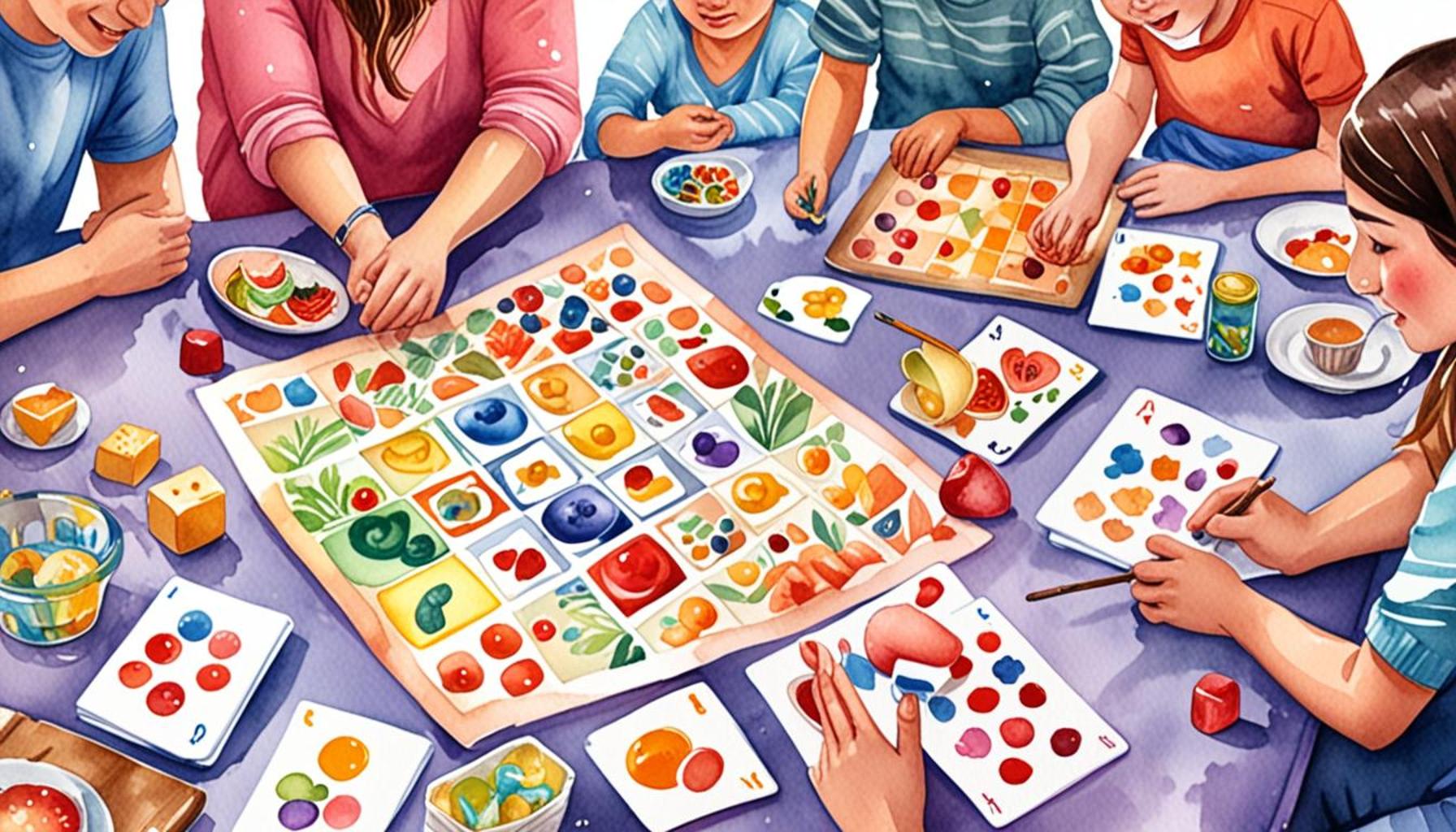
Game-Based Memory Strategies: Incorporating Playful Learning Techniques into Daily Life
Unlocking Memory through Play
In a world saturated with information, effective memory strategies are more crucial than ever. Many find themselves overwhelmed by the sheer volume of data, leading to forgetfulness and cognitive fatigue. Enter game-based memory strategies, a creative solution that harnesses the power of play to enhance cognitive function and retention.
What Are Game-Based Memory Strategies?
These strategies involve using playful learning techniques to strengthen memory capabilities. Here’s how they can fit into daily life:
- Fun Learning Activities: Implement games like memory cards or board games to engage people of all ages. For example, games like Scrabble or Pictionary not only entertain but also promote vocabulary expansion and recall skills. Regular play can help sharpen cognitive abilities and improve memory.
- Interactive Technology: Use apps designed to improve memory through gamification, making learning a delightful experience. Applications such as Lumosity and Peak offer various cognitive exercises disguised as fun games that challenge the brain while making it enjoyable to improve retention.
- Social Engagement: Participate in group games that require recall and strategy, promoting teamwork and camaraderie. Playing games like charades or trivia nights can stimulate social interaction while also enhancing collective and individual memory skills. The social aspect of these games creates a pressure-free environment where individuals feel encouraged to participate without fear of judgment.
Research supports that incorporating play into learning not only boosts memory retention but also increases motivation and enjoyment. In fact, studies show that learning through play can create stronger neural connections in the brain, making it easier for individuals to access information in the future. By utilizing these playful learning techniques, individuals can discover new ways to engage their minds and improve their everyday tasks.
Why Does This Matter?
As more people seek effective learning methods, understanding and utilizing game-based memory strategies becomes increasingly significant. These strategies can transform mundane study sessions into engaging activities, fostering a more positive attitude toward learning. For instance, educators and parents can incorporate game mechanics into lesson plans or home study sessions, which can lead to improved academic performance and a genuine love for learning.
Moreover, in an age where information is readily available yet fleeting, fostering memory retention through play could be a significant advantage in personal and professional settings. Whether preparing for an exam, learning a new language, or even assimilating workplace protocols, game-based strategies can aid in making information more sticky and memorable. As we explore these strategies further, readers will uncover the transformative potential of blending fun with memory enhancement, inviting them to reconsider how they approach learning and retention.
DISCOVER MORE: Click here to dive into the science
The Science Behind Playful Learning
Understanding the effectiveness of game-based memory strategies requires a glance at the neuroscience behind learning and play. When individuals engage in playful activities, the brain releases neurotransmitters like dopamine, which are associated with pleasure and reward. This chemical boost not only enhances mood but also reinforces the learning experience, making it more likely that information will be retained. In essence, when learning feels enjoyable, the motivation to participate increases, creating a cycle of engagement and retention.
The Power of Gamification
Gamification is a method that takes the principles of gaming and applies them to non-game contexts, such as educational experiences. By integrating game-like elements into daily activities, individuals can transform routine tasks into exciting challenges. Here are some effective ways to harness the power of gamification:
- Point Systems: Create a points-based reward system for tasks such as studying or completing household chores. This encourages a playful competition with oneself or others, making mundane activities more appealing.
- Challenges and Levels: Establish a series of challenges that progress in difficulty. For example, when learning vocabulary for a new language, start with basic words and gradually incorporate complex phrases to maintain interest.
- Rewards: Offer small prizes or incentives for achieving specific learning milestones. This could be as simple as a treat or a break to engage in a favorite leisure activity, creating a balance between work and play.
The incorporation of game mechanics can significantly enhance retention of new information, as research highlights that the brain’s reward pathways play a crucial role in memory formation. Further studies indicate that learners retain approximately 30-50% more information when engaging in gamified experiences compared to traditional learning methods. This statistic emphasizes the compelling benefits of game-based learning approaches in both educational and professional settings.
Real-World Applications
Game-based memory strategies are not confined to the classroom. In fact, they can be easily integrated into everyday scenarios to facilitate memorization and comprehension. Here are a few examples of how you can weave playful learning into daily life:
- Cooking and Recipes: Transform meal preparation into a fun game by challenging friends or family members to recall ingredients or cooking techniques without looking at the recipe.
- Daily Routines: Use memory games to memorize tasks during busy mornings, like using a rhythm or a rhyme to recall steps for getting ready. This adds a creative spin to everyday activities while ensuring crucial tasks are remembered.
- Family Game Nights: Schedule weekly family game nights emphasizing games that rely heavily on memory recall, such as card games, charade-style guessing games, or trivia quizzes. This promotes bonding and simultaneously enhances memory skills.
By incorporating these practical examples of game-based memory strategies into daily routines, individuals of all ages can experience personalized growth in memory retention while enjoying the process. The path to strengthening memory is no longer a tedious endeavor but can become a vibrant part of everyday life.
| Game Strategies | Benefits |
|---|---|
| Memory Games | Enhance cognitive skills and retention of information. |
| Role-Playing Activities | Foster empathy and understanding of new perspectives. |
| Interactive Storytelling | Encourages creativity while enhancing language and narrative skills. |
| Puzzle Solving | Improves problem-solving and critical thinking abilities. |
Incorporating these game-based memory strategies into daily activities not only makes learning enjoyable but also amplifies the effectiveness of memory retention. For instance, memory games can be seamlessly integrated into family gatherings, making sessions both interactive and educational. Similarly, role-playing activities draw participants into the scenarios, reshaping their understanding and teaching valuable life lessons.On the other hand, interactive storytelling remains a delightful method to boost language skills and inspire creativity. Engaging with narratives encourages participants to build their own endings, amidst enriching language development. Additionally, puzzle-solving exercises not only sharpen cognitive abilities but also promote teamwork and collaboration, making them perfect for both children and adults seeking mental challenges.As we delve deeper into these playful techniques, it becomes clear that they can revolutionize the way we approach learning and memory enhancement in our everyday lives. Each method brings unique benefits, proving that incorporating fun into education creates a lasting impact.
DISCOVER MORE: Click here to learn about the impact of board games on critical thinking
Engaging Memory Techniques through Play
As we delve deeper into game-based memory strategies, it becomes evident that learning through play isn’t just a trend—it’s a scientifically backed approach that fosters active engagement and sustained interest. By employing techniques that resemble game mechanics, individuals of all ages can leverage their natural instincts for play to bolster memory retention and enhance learning outcomes.
Memory Palaces and Visualization Games
One of the classic yet powerful memory techniques is the memory palace, also known as the method of loci. This mnemonic device involves visualizing a familiar space, such as your home, and associating each room with specific pieces of information you wish to remember. To gamify this technique, individuals can invite friends to join in the process, creating a competitive challenge where each participant builds their own memory palace. Not only does this facilitate memorization, but it also fosters creativity and teamwork.
Furthermore, visualization games can enhance this technique. For example, when prepping for a presentation at work or school, individuals can visualize their ideas as characters interacting within their memory palace. Transforming abstract concepts into narrative formats makes the information much easier to recall later, showcasing how play can transform cognitive tasks.
Storytelling as a Learning Tool
Storytelling serves as a compelling method for memory retention; narratives help embed facts in a way that’s both relatable and easier to recall. This method can easily incorporate the elements of play. Consider organizing a “story swap” session where family members or colleagues share personal stories interwoven with new topics or information they need to learn. For instance, when discussing historical events, participants could create playful tales incorporating these events into imaginative scenarios, making them not just memorable, but also entertaining.
Research suggests that storytelling enhances up to 70% more retention rates compared to rote memorization. By activating different areas of the brain associated with emotion, language, and visualization, storytelling reinforces memory in a holistic manner.
Interactive Technology and Apps
The rise of interactive technology and mobile applications has opened up new avenues for incorporating play into memory strategies. For example, educational apps like Anki or Quizlet use flashcards and gamified quizzes to reinforce learning through repetition and playful engagement. Users can create their own decks or take part in community-shared ones, fostering a sense of competition and shared knowledge. These platforms often incorporate leaderboards and achievements, tapping into the competitive spirit often found in gaming.
Moreover, virtual reality (VR) technologies are making strides in this realm by allowing users to immerse themselves in simulated environments where they can practice new skills or recall information in a contextual setting. Imagine learning about ancient civilizations by “walking” through a digital representation of the Roman Forum—a vivid, interactive experience that could engender an emotional connection and enhance memory retention.
Social Learning and Collaborating through Games
Lastly, one of the overlooked aspects of game-based memory strategies is the incorporation of social learning through cooperative games. By engaging in group activities that involve problem-solving or memory challenges, players can benefit from shared insights and varying perspectives. Games like Spaceteam or Escape Room experiences require players to communicate, strategize, and recall essential information to succeed, seamlessly blending memory enhancement with social interaction.
Engaging in these playful learning techniques can transform ordinary tasks into extraordinary learning opportunities, reinforcing that memory and enjoyment can successfully coexist in nurturing cognitive development. With a variety of innovative approaches available, integrating play into daily life can significantly elevate the experience of learning and memorization across diverse contexts.
DIVE DEEPER: Click here to discover how logic games can help reduce stress
Conclusion: Embracing Play for Enhanced Learning
In a world where information overload is commonplace, game-based memory strategies offer a refreshing and effective way to enhance learning and retention. By embracing playful techniques, individuals can transform mundane memorization tasks into engaging and enjoyable experiences. The integration of methods like memory palaces, storytelling, interactive apps, and collaborative games not only enriches the learning process but also fosters creativity and social interaction.
The findings suggest that incorporating elements of play can lead to significant improvements in memory retention—up to 70% more with storytelling techniques alone. This highlights the potential of play as a legitimate educational tool, breaking the barriers of traditional learning models that often neglect the natural instincts of exploration and creativity inherent in all individuals. Furthermore, the rise of technology, including VR and gamified applications, continues to open avenues for deeper engagement and immersive learning experiences.
As we navigate the complexities of life and learning, it becomes increasingly vital to integrate playful learning techniques into our daily routines. Whether it’s through a family storytelling session or utilizing educational apps during downtime, the opportunities for playful engagement are plentiful. By adopting a mindset that values play in learning, we can empower ourselves and future generations to develop robust memory skills that are essential in both personal and professional realms. The journey to effective memory enhancement is not only a quest for knowledge, but also an opportunity to rediscover the joy of learning through play.