Menu

Exploring the Intersection Between Art and Puzzles to Foster Innovation

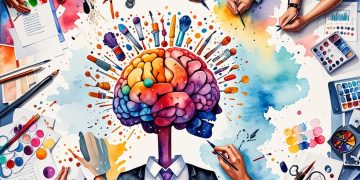
This exploration delves into how the intersection of art and puzzles fosters innovation by enhancing creativity and collaboration. By engaging with visual puzzles, interactive installations, and gamified learning, individuals can unlock new problem-solving skills, stimulate cognitive engagement, and inspire fresh ideas in both artistic and educational contexts.

How Logic Challenges Can Unlock New Perspectives in Problem Solving

Logic challenges enhance problem-solving by fostering critical thinking, creativity, and decision-making. They encourage exploration of alternative solutions, resilience in adversity, and collaboration. Engaging in these puzzles cultivates a versatile mindset, empowering individuals to navigate complex situations and unlock innovative perspectives in both personal and professional contexts.

Unveiling the Psychology Behind Puzzle Solving and Its Impact on Creativity

Engaging in puzzles enhances cognitive processes and fosters creativity by developing critical thinking, persistence, and collaborative problem-solving skills. This interplay between cognition and creativity reveals how puzzles stimulate innovative thinking, making them vital tools for personal and professional growth in adapting to today's complex challenges.

The influence of reasoning games on children’s creativity

Reasoning games are powerful tools for enhancing children's creativity by fostering critical thinking, problem-solving skills, and imaginative play. Research shows that engaging with these interactive games nurtures cognitive flexibility and resilience, paving the way for innovative thinkers equipped to tackle future challenges. Understanding their impact is essential for parents and educators.

The role of word games in expanding creative thinking

Word games are essential tools for expanding creative thinking, enhancing vocabulary, problem-solving skills, and memory through engaging mental challenges. By fostering collaboration and encouraging imaginative exploration, these games cultivate an environment where innovative ideas flourish, benefiting both personal growth and teamwork in professional settings.

How Puzzle Gamification Can Stimulate Innovation in Teams

Puzzle gamification enhances workplace creativity by transforming routine tasks into engaging challenges that promote collaboration and innovation. By integrating puzzles, teams improve communication, critical thinking, and morale, ultimately unlocking new ideas and solutions. This approach fosters a dynamic environment, essential for driving organizational success in today's competitive landscape.

The importance of strategy games in promoting creative thinking in young adults

Strategy games are essential for promoting creative thinking in young adults. They enhance cognitive skills through complex problem-solving, critical analysis, and resource management. Engaging in these games fosters collaboration, adaptability, and innovative strategies, equipping players with valuable tools for personal and professional success in today's dynamic environment.

The relationship between board games and the stimulation of creative thinking in adults

Board games significantly enhance creative thinking in adults by fostering strategic decision-making, collaboration, and problem-solving skills. Engaging play stimulates imaginative storytelling and critical thinking, while social interactions promote idea exchange. This unique blend of enjoyment and cognitive development makes board games valuable tools for nurturing creativity in various settings.

Developing Creative Skills Through Complex Puzzles

Engaging with complex puzzles significantly enhances creative skills by promoting critical thinking, perseverance, and cognitive flexibility. These challenges stimulate innovative problem-solving and teamwork, making them invaluable in education and professional development. Incorporating puzzles into daily routines fosters creativity and mental well-being, paving the way for personal growth.

Mind Games as Tools for Problem Solving in the Workplace

Integrating mind games into workplace culture enhances problem-solving skills, creativity, and collaboration among employees. These interactive tools promote teamwork, improve communication, and boost cognitive abilities, ultimately fostering a dynamic work environment. Embracing mind games can lead to innovative solutions and increased productivity, making them vital for organizational success.