Menu

How Social Interaction in Puzzle Solving Can Boost Memory Skills

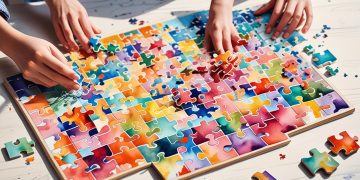
Puzzle solving becomes a powerful tool for boosting memory skills when approached collaboratively. Engaging socially enhances motivation, fosters shared knowledge, and reinforces memory through discussion and reflection. The interplay of teamwork and diverse perspectives not only enriches problem-solving but also cultivates lasting cognitive growth and stronger social bonds.

Top Memory-Enhancing Games and Puzzles to Challenge Your Brain

Explore how memory-enhancing games and puzzles can boost brain function, improve memory retention, and enhance cognitive skills. With options ranging from classic board games to modern apps, these engaging activities not only provide entertainment but also promote overall mental health and social interaction. Enjoy stimulating your mind while having fun.

The Role of Visualization Techniques in Memory-Enhancing Mind Games

Visualization techniques play a crucial role in memory-enhancing mind games by transforming abstract concepts into vivid images, facilitating better retention and recall. Incorporating methods like mind mapping, memory palaces, and chunking boosts cognitive performance, providing engaging learning experiences that benefit both educational settings and professional environments.

The Science Behind Memory-Enhancing Puzzles: How They Work

Memory-enhancing puzzles creatively combine engagement and cognitive science to boost memory retention and overall brain function. Through active participation, pattern recognition, and problem-solving, these puzzles promote neuroplasticity and neurotransmitter activity, making them essential tools for cognitive development and mental agility, suitable for all ages.

Exploring the Role of Mind Games in Boosting Memory Retention

Mind games enhance memory retention through enjoyable cognitive challenges that stimulate brain activity and promote neuroplasticity. Engaging in puzzles, strategy games, and social interactions fosters focus, emotional connections, and collaborative learning, all contributing to improved recall and cognitive agility across all age groups. These activities offer an effective strategy for boosting memory skills.

Exploring Neuroplasticity: The Connection Between Cognitive Games and Memory Enhancement

This article explores the fascinating link between neuroplasticity and cognitive games, showcasing how these engaging activities can enhance memory and cognitive function. By challenging the brain through various game types, individuals can stimulate neural connections, improve problem-solving skills, and ultimately unlock the potential for lifelong learning and memory enhancement.

Gamification and Memory Enhancement: Turning Learning into Play

Gamification enhances memory retention by integrating engaging game-like elements into educational settings. This approach boosts motivation, fosters competition and collaboration, and adapts to diverse learning styles. By harnessing psychological triggers and innovative technologies, educators can transform learning into an interactive experience that improves knowledge retention and student engagement.

Comparative Analysis of Traditional vs. Digital Puzzles for Memory Training

This article explores the comparative analysis of traditional versus digital puzzles for memory training, highlighting their unique cognitive benefits and engagement styles. Traditional puzzles enhance social interaction and tactile memory formation, while digital puzzles offer accessibility and dynamic content. Understanding these differences can guide individuals in choosing the best approach for memory enhancement.

The Influence of Age-Appropriate Mind Games on Memory Enhancement Across Different Age Groups

Engaging in age-appropriate mind games significantly enhances memory across all age groups. These cognitive activities improve brain health, boost neuroplasticity, and foster social interactions. By tailoring strategies to individual age needs, families can cultivate stronger connections while promoting lifelong cognitive vitality and mental well-being.

The Impact of Daily Brain Exercises on Long-Term Memory Improvement

Daily brain exercises significantly enhance long-term memory by promoting neuroplasticity, improving cognitive functions, and reducing cognitive decline. Engaging in various activities, such as puzzles and memory games, supports mental acuity, while a holistic approach incorporating a healthy lifestyle maximizes memory improvement and overall cognitive health.